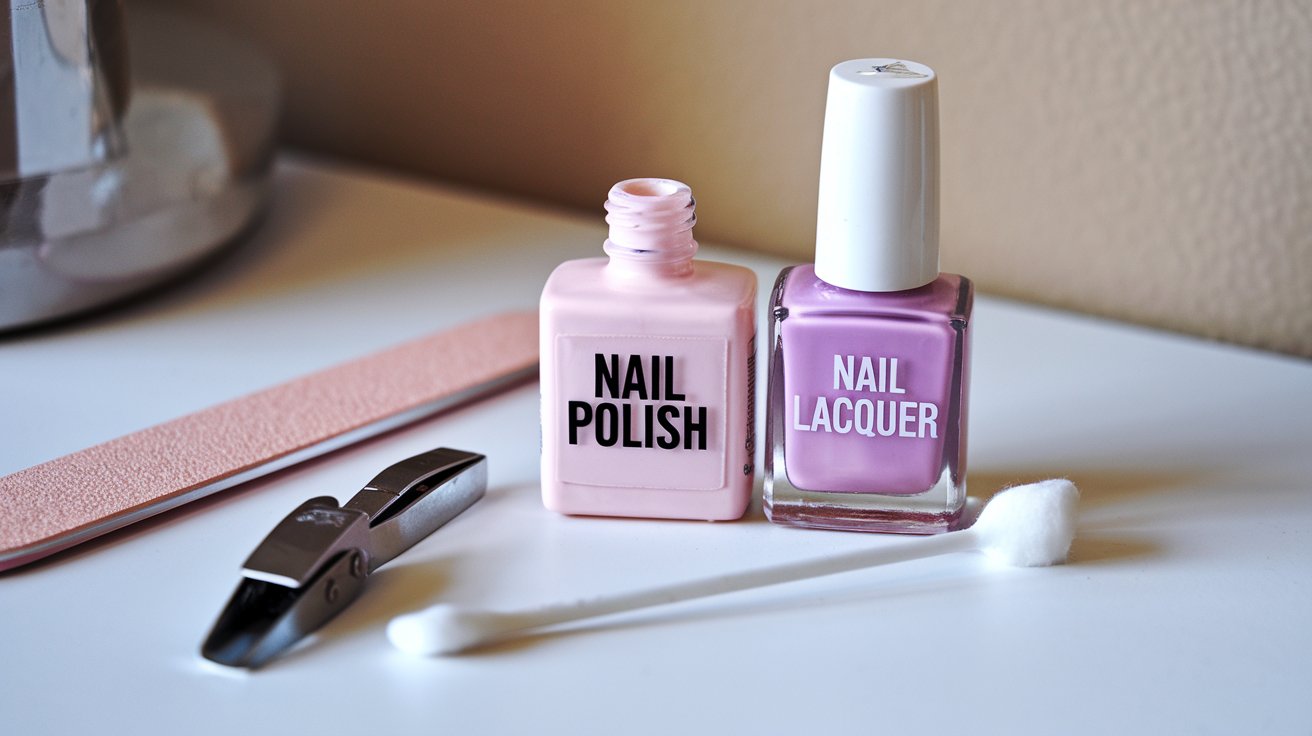
Lacquer nail polish is a traditional nail coating that provides vibrant color and glossy finish without requiring UV light curing. Unlike gel polish, nail lacquer air-dries naturally and offers easier application and removal for both professional and at-home manicures.
Understanding Lacquer Nail Polish
Lacquer nail polish is a solvent-based nail coating that consists of film-forming agents, pigments, and solvents that evaporate to create a hard, glossy finish. The term ‘lacquer’ originally referred to natural resins, but modern nail lacquer uses synthetic polymers like nitrocellulose to create durable coatings. This traditional formula has been the foundation of nail beauty since the 1920s and remains popular in 2025 due to its versatility and accessibility.
The composition of lacquer nail polish includes plasticizers for flexibility, UV stabilizers to prevent color fading, and various additives that enhance performance. Unlike gel formulations, lacquer doesn’t require special equipment or professional training, making it the preferred choice for millions of Americans who prefer DIY manicures at home.
Key Components of Nail Lacquer
Modern nail lacquer formulations contain nitrocellulose as the primary film-former, which creates the hard surface after solvents evaporate. Butyl acetate and ethyl acetate serve as solvents, while plasticizers like dibutyl phthalate ensure flexibility. Pigments provide color intensity, and resins enhance adhesion and durability, resulting in professional-quality finishes.
How Lacquer Differs from Other Nail Products
The primary difference between lacquer and gel polish lies in the curing process – lacquer air-dries naturally within 10-15 minutes, while gel requires UV or LED light exposure. Nail lacquer also differs from acrylics by being a single-component system that doesn’t require mixing or professional application techniques for optimal results.
Lacquer vs Gel Polish: Complete Comparison
The debate between lacquer nail polish vs gel centers on durability, application ease, and removal methods. Gel polish typically lasts 2-3 weeks with minimal chipping, while lacquer nail polish provides 5-7 days of wear depending on activities and nail care routine. However, lacquer offers superior flexibility and natural nail health benefits since it doesn’t require aggressive removal processes.
In 2025, American consumers increasingly choose lacquer nail polish for its convenience and lower maintenance requirements. The application process takes 30-45 minutes total, including base coat, two color coats, and topcoat, compared to gel’s 60-90 minutes including curing time between each layer.
Durability and Longevity Factors
Lacquer nail polish longevity depends on nail preparation, application technique, and daily activities. Proper base coat application and thin, even layers can extend wear time to 10-12 days. Top coat reapplication every 3-4 days maintains shine and prevents chipping, making lacquer a cost-effective option for regular manicure maintenance.
Application Time and Convenience
Unlike gel formulations requiring UV light exposure, nail lacquer offers immediate convenience with air-drying capability. Quick-dry formulations available in 2025 reduce drying time to 5-8 minutes per coat, making lacquer ideal for busy schedules and last-minute touch-ups without special equipment requirements.
Benefits and Advantages of Lacquer Nail Polish
The primary advantages of lacquer nail polish include easy removal with standard nail polish remover, extensive color variety, and affordable pricing starting at $3-15 per bottle. Professional salon services using nail lacquer typically cost 30-40% less than gel applications, making it accessible for regular manicure maintenance throughout the year.
Lacquer nail polish also promotes healthier nails since removal doesn’t require buffing or filing, which can thin nail plates over time. The breathing space between applications allows nails to maintain natural moisture levels and strength, particularly important for those with naturally thin or brittle nails.
Cost-Effectiveness and Accessibility
American drugstores and beauty retailers stock hundreds of lacquer nail polish shades from budget-friendly brands like Essie and OPI to luxury options. The average cost per application is $0.50-2.00 when using home products, compared to $25-50 for professional gel services, making lacquer the economical choice for frequent color changes.
Nail Health Considerations
Regular use of nail lacquer with proper removal techniques maintains nail integrity better than gel systems. The gentle acetone-based removal process takes 2-3 minutes without aggressive scraping or buffing, allowing nails to retain natural oils and thickness that contribute to overall nail health and strength.
Application Techniques for Perfect Results
Achieving salon-quality results with lacquer nail polish requires proper nail preparation, including cuticle care, buffing, and dehydration. Apply base coat to clean, oil-free nails, followed by two thin coats of nail lacquer rather than one thick application. This technique prevents bubbling, ensures even coverage, and promotes better adhesion for longer wear time.
Professional manicurists recommend the three-stroke method for lacquer application: center stroke from cuticle to tip, followed by left and right side strokes. Allow 2-3 minutes between coats and finish with high-quality topcoat to seal color and enhance shine. Modern quick-dry topcoats can reduce total drying time to 10-15 minutes.
Popular Lacquer Nail Polish Brands and Formulations
Leading nail lacquer brands in 2025 include OPI, Essie, Chanel, and Dior, each offering unique formulation benefits. OPI’s lacquers feature advanced polymer technology for enhanced durability, while Essie focuses on trend-forward colors and quick-dry formulas. Luxury brands like Chanel incorporate premium ingredients and innovative applicator designs for professional-level results.
Specialty lacquer formulations include strengthening polishes with calcium and protein, long-wear formulas with enhanced chip resistance, and eco-friendly options using plant-based ingredients. The 2025 market shows increased demand for 10-free formulations that exclude potentially harmful chemicals while maintaining performance quality.
Professional vs Drugstore Quality
Professional-grade lacquer nail polish typically contains higher pigment concentrations and superior film-forming agents, resulting in better opacity and longevity. Salon brands like CND and Zoya offer extended wear formulations that compete with gel durability while maintaining traditional lacquer benefits of easy removal and nail health preservation.
Specialty Lacquer Formulations
Modern nail lacquer innovations include magnetic polishes that create dimensional effects, thermal lacquers that change color with temperature, and holographic formulas popular on social media. These specialty products demonstrate the versatility and continued evolution of traditional lacquer technology in meeting contemporary beauty trends.
Removal and Maintenance of Lacquer Polish
Proper lacquer nail polish removal requires acetone-based remover or ethyl acetate formulations that dissolve the polymer film efficiently. Soak cotton pads with remover, place on nails for 30 seconds, then gently press and wipe away polish. This method prevents nail damage and removes color completely without excessive rubbing or scraping.
Between applications, maintain nail health by using cuticle oil and strengthening treatments. Allow nails to breathe polish-free for 24-48 hours weekly to prevent yellowing and maintain natural nail strength. This maintenance routine ensures optimal results for subsequent lacquer applications.
Choosing the Right Lacquer for Your Needs
Selecting appropriate lacquer nail polish depends on lifestyle factors, nail condition, and color preferences. Active individuals benefit from quick-dry, chip-resistant formulations, while those seeking vibrant color should choose high-pigment professional brands. Consider nail thickness when selecting removal methods – thin nails benefit from gentler, acetone-free removers.
Personal preference ultimately determines the best lacquer choice, but understanding formulation differences helps optimize results. Seasonal considerations also matter – darker colors and long-wear formulas work well in winter, while bright, changeable shades suit summer’s active lifestyle and frequent swimming or beach activities.
Related video about what is lacquer nail polish
This video complements the article information with a practical visual demonstration.
FAQ – Common Questions
What is the difference between nail polish and nail lacquer?
Nail polish and nail lacquer are essentially the same product – both terms describe the traditional liquid nail coating that air-dries naturally. The term ‘lacquer’ is often used by professional brands and refers to the original resin-based formulations, while ‘nail polish’ is the more common consumer term for the same product category.
Does lacquer nail polish need UV light?
No, lacquer nail polish does not require UV light for curing. Unlike gel polish, lacquer air-dries naturally through solvent evaporation within 10-15 minutes. This makes lacquer more convenient for home use since no special equipment is needed for proper application and curing.
What is lacquer nail polish used for?
Lacquer nail polish is used to add color, shine, and protection to natural nails. It serves both cosmetic and protective purposes, creating a hard coating that enhances nail appearance while providing a barrier against daily wear. Lacquer is ideal for both professional manicures and at-home nail care routines.
Is clear nail polish the same as lacquer?
Clear nail polish is a type of lacquer that contains no pigments or colorants. It uses the same base formulation as colored lacquer but serves as a protective topcoat, base coat, or nail strengthener. Clear lacquer provides the same glossy finish and protective benefits without adding color to the nails.
How long does lacquer nail polish typically last?
Quality lacquer nail polish typically lasts 5-7 days with normal wear, though proper application and nail care can extend this to 10-12 days. Factors affecting longevity include nail preparation, application technique, daily activities, and the specific lacquer formulation used. Professional application often provides longer-lasting results.
What makes lacquer different from acrylic nails?
Lacquer is a coating applied over natural nails, while acrylics involve building artificial nail extensions using powder and liquid monomer systems. Lacquer enhances natural nails without changing their length or shape significantly, whereas acrylics create entirely new nail structures that require professional removal and maintenance.
| Lacquer Aspect | Key Details | Main Benefit |
|---|---|---|
| Application | Air-dries naturally in 10-15 minutes | No special equipment needed |
| Removal | Standard acetone remover, 2-3 minutes | Gentle on natural nails |
| Cost | $3-15 per bottle, $0.50-2.00 per use | Highly economical option |
| Durability | 5-12 days depending on care | Perfect for frequent changes |
| Color Range | Thousands of shades available | Unlimited creative options |