
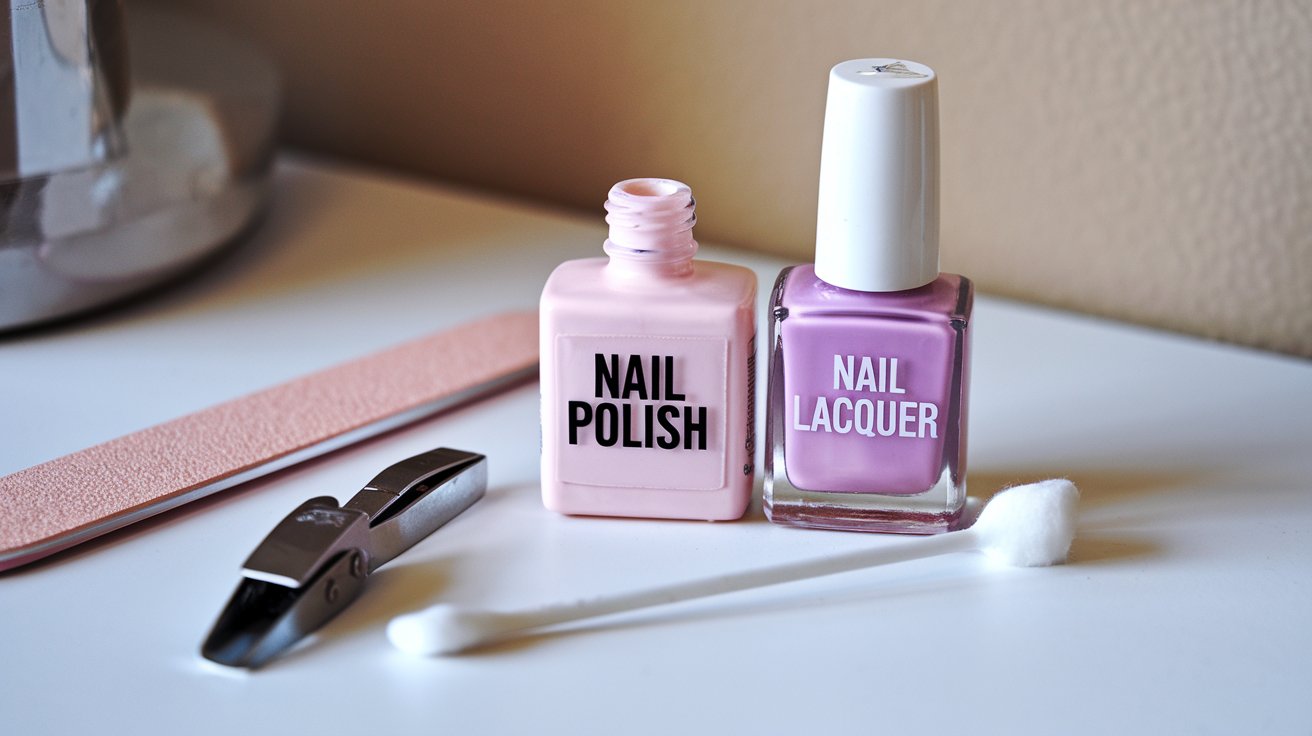
The terms nail polish and nail lacquer are often used interchangeably, but there are important distinctions between these two nail products. Understanding the difference between nail polish and nail lacquer helps you make informed decisions about your manicure routine. While both products beautify nails, they differ in formulation, application methods, durability, and removal processes.
What is Nail Polish?
Nail polish is a traditional lacquer-based coating that dries through solvent evaporation. This classic formula contains nitrocellulose, plasticizers, and pigments suspended in organic solvents like butyl acetate and ethyl acetate. The polish creates a hard, glossy finish that protects and decorates natural nails.
Traditional nail polish has been the manicure standard for decades in the United States. The formula air-dries within 10-15 minutes, making it convenient for home application. Most drugstore brands like OPI, Essie, and Sally Hansen offer extensive nail polish collections with hundreds of color options ranging from $3 to $15 per bottle in 2024.
Understanding Nail Lacquer
Nail lacquer represents a broader category that encompasses various nail coating formulations, including traditional polish, gel polish, and hybrid systems. The term lacquer specifically refers to the film-forming polymer base that creates the protective coating on nails. Modern nail lacquer formulations often include advanced polymers for enhanced durability.
Professional salon nail lacquer systems frequently incorporate strengthening ingredients like calcium, protein, and vitamins. These enhanced formulations provide better adhesion and longevity compared to basic nail polish. Premium lacquer brands like Chanel, Dior, and Tom Ford typically cost $25-$40 per bottle in the current US market.
Key Composition Differences
The fundamental difference between nail polish and nail lacquer lies in their chemical composition and performance characteristics. Traditional nail polish uses a simpler formulation focused on color delivery and basic protection. The base typically contains 15-25% nitrocellulose, which provides the film-forming properties.
Nail lacquer formulations incorporate more sophisticated polymer systems, often including acrylic resins, polyester resins, or hybrid combinations. These advanced lacquer systems deliver superior chip resistance and gloss retention. The enhanced formulation explains why professional nail lacquer typically lasts 7-10 days compared to 3-5 days for standard polish.
Application Process Comparison
Applying nail polish follows a straightforward three-step process: base coat, two color coats, and top coat. The polish application requires careful attention to drying time between coats, typically waiting 2-3 minutes between layers. Quick-dry formulations can reduce waiting time to 60-90 seconds per coat.
Nail lacquer application varies depending on the specific system. Traditional lacquer follows similar steps to nail polish, but professional lacquer systems may require special primers or bonding agents. Some advanced lacquer formulations include built-in base and top coat properties, simplifying the application process to just two coats.
Durability and Longevity Factors
Nail polish durability depends heavily on nail preparation, application technique, and daily activities. Standard polish typically maintains its appearance for 3-5 days before showing noticeable chips or wear. Factors like nail oil production, hand washing frequency, and manual work significantly impact polish longevity.
Premium nail lacquer formulations demonstrate superior staying power, often lasting 7-14 days without significant chipping. The enhanced polymer systems in lacquer create stronger adhesion to the nail plate and better resistance to daily wear. Professional lacquer applications in US salons typically guarantee 10-day wear with proper nail preparation and cuticle care.
Removal Methods and Considerations
Removing nail polish requires acetone or non-acetone nail polish remover, with the process taking 5-10 minutes for complete removal. The simpler formula of traditional polish dissolves readily in most solvents. Non-acetone removers work effectively on regular nail polish while being gentler on nails and cuticles.
Nail lacquer removal can be more challenging due to the advanced polymer systems. Some lacquer formulations require acetone-based removers or extended soaking time for complete removal. Professional lacquer systems may need 15-20 minutes of soaking with acetone-soaked cotton balls wrapped in foil for effective removal without damaging the nail plate.
Cost Analysis and Value Comparison
Traditional nail polish offers an economical option for nail decoration, with drugstore brands costing $3-$8 per bottle in 2024. The lower upfront cost makes polish accessible for frequent color changes and experimentation. However, the shorter wear time means more frequent touch-ups and complete reapplications.
Premium nail lacquer systems command higher prices, ranging from $15-$40 per bottle, but deliver better cost-per-wear value. The extended durability of lacquer reduces the frequency of salon visits and product consumption. Professional salon applications of nail lacquer typically cost $25-$50 in major US cities, compared to $15-$25 for standard polish manicures.
Impact on Nail Health
Regular nail polish use can cause nail dehydration due to acetone exposure during removal. The frequent application and removal cycle may lead to nail thinning and brittleness over time. However, modern polish formulations increasingly include nourishing ingredients like vitamin E and calcium to minimize negative effects.
High-quality nail lacquer systems often incorporate nail-strengthening ingredients directly into the formula. Some lacquer products function as treatments, delivering proteins, vitamins, and moisturizers to improve nail health during wear. The longer wear time of lacquer also reduces the frequency of harsh removal processes, potentially benefiting overall nail condition.
Professional vs At-Home Application
At-home nail polish application offers convenience and cost savings, with most people achieving satisfactory results with minimal equipment. The forgiving nature of traditional polish allows for easy correction of mistakes during application. Home polish kits typically include base coat, color, and top coat for under $20.
Professional nail lacquer services provide superior results through proper nail preparation, cuticle care, and expert application techniques. Salon professionals use commercial-grade lacquer systems unavailable to consumers, achieving longer-lasting and more durable finishes. The investment in professional lacquer application pays off through extended wear time and enhanced nail health.
Choosing the Right Option for Your Needs
Selecting between nail polish and nail lacquer depends on your lifestyle, budget, and nail care priorities. Nail polish works well for those who enjoy frequent color changes, have limited budgets, or prefer simple at-home manicures. The wide availability and color selection make polish ideal for creative nail art and seasonal color changes.
Nail lacquer suits individuals seeking longer-lasting manicures, professional appearance requirements, or nail strengthening benefits. The higher upfront investment in quality lacquer products delivers better value for busy professionals or those with active lifestyles. Consider lacquer systems if you prioritize durability and nail health over frequent color changes.
Related video about difference between nail polish and nail lacquer
This video complements the article information with a practical visual demonstration.
Questions & Answers
Is nail lacquer better than regular nail polish?
Nail lacquer typically offers superior durability and longevity compared to regular nail polish. While polish lasts 3-5 days, quality lacquer can maintain its appearance for 7-14 days. The choice depends on your priorities: lacquer for longevity and nail health, polish for frequent color changes and budget considerations.
Does nail lacquer require UV light like gel polish?
Traditional nail lacquer does not require UV light curing and air-dries like regular polish. However, some hybrid lacquer systems incorporate gel technology and may need LED or UV light activation. Always check product specifications, as most standard lacquer formulations cure through solvent evaporation without special equipment.
How do you remove nail lacquer effectively?
Removing nail lacquer typically requires acetone-based nail polish remover due to the stronger polymer formulation. Soak cotton balls in acetone, place on each nail, wrap with foil, and wait 10-15 minutes. The enhanced durability that makes lacquer long-lasting also makes it more resistant to removal than regular polish.
Can nail lacquer strengthen weak nails?
Many nail lacquer formulations include strengthening ingredients like calcium, protein, and vitamins that can help improve nail condition over time. Unlike regular polish that focuses primarily on color, treatment lacquers deliver active ingredients to nourish and strengthen nails during wear, making them beneficial for brittle or damaged nails.
What’s the price difference between nail polish and lacquer?
Regular nail polish typically costs $3-$15 per bottle, while premium nail lacquer ranges from $15-$40. Professional salon applications cost $15-$25 for polish versus $25-$50 for lacquer. The higher cost of lacquer is offset by longer wear time and better durability, often providing better cost-per-wear value.
| Key Aspect | Nail Polish | Nail Lacquer |
|---|---|---|
| Durability | 3-5 days wear | 7-14 days wear |
| Cost Range | $3-$15 per bottle | $15-$40 per bottle |
| Removal Time | 5-10 minutes | 10-20 minutes |
| Nail Health | Basic protection | Often includes strengthening |

