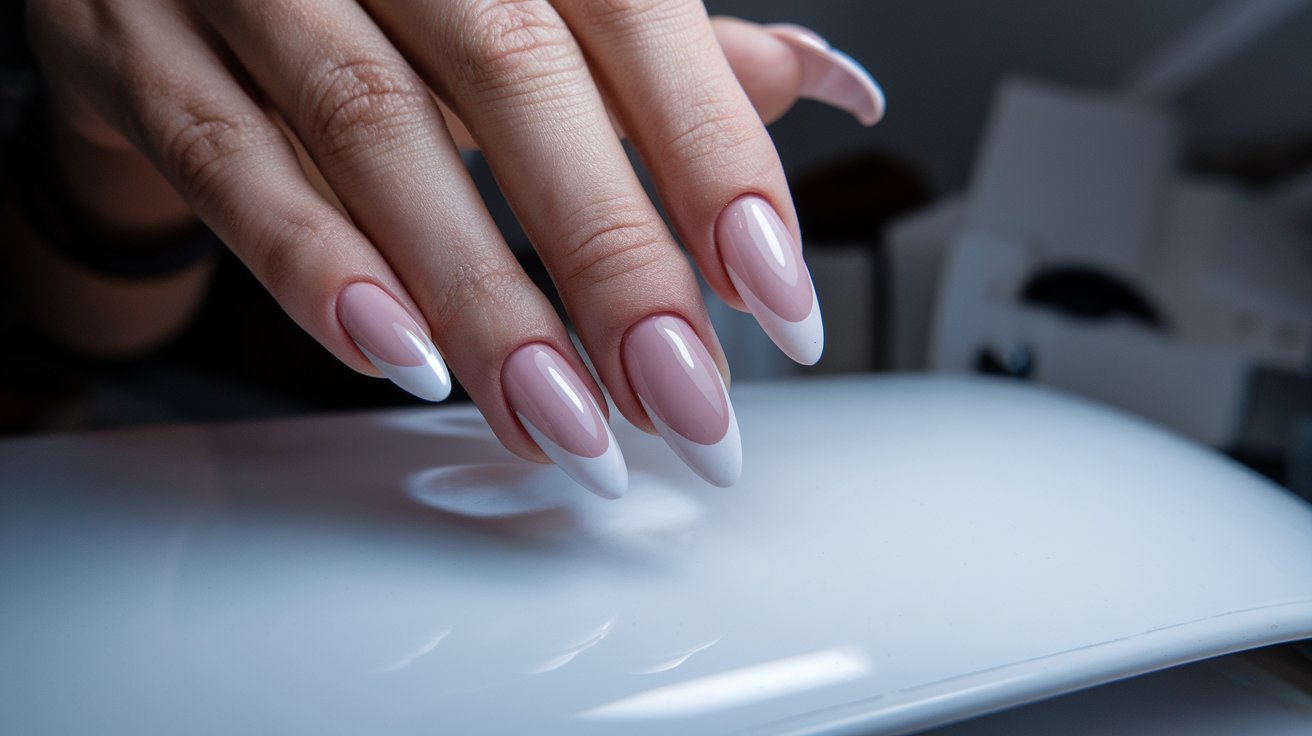
Gel nail peeling is one of the most frustrating issues facing nail enthusiasts across the United States. Whether your gel polish peels off after 2 days or barely lasts a week, understanding the root causes is essential for achieving salon-quality results. This comprehensive guide reveals why gel nails fail and provides proven solutions to keep your manicure looking flawless for weeks.
Common Causes of Peeling Gel Polish
Understanding why gel nails peel off requires examining multiple factors that affect adhesion. According to 2024 industry research, improper nail preparation accounts for 65% of gel polish failures in at-home applications. The nail plate must be completely clean, dry, and properly dehydrated to ensure optimal bonding between the gel and natural nail.
Additionally, gel polish lifting often occurs due to contamination from oils, moisturizers, or cleaning products. Even microscopic residue can create a barrier that prevents proper adhesion. Professional nail technicians emphasize that successful gel application depends on meticulous attention to detail during every step of the process.
Improper Nail Preparation Techniques
The most critical factor in preventing gel polish from peeling off is thorough nail preparation. Start by removing all traces of old polish, oils, and debris using a lint-free wipe soaked in 99% isopropyl alcohol. Push back cuticles gently and remove any dead skin that could interfere with adhesion. File nails to your desired shape and lightly buff the surface to create microscopic grooves that help the gel bond effectively.
Inadequate Dehydration Process
Many people skip the crucial dehydration step, leading to gel nails falling off fast. After cleaning with alcohol, allow nails to air dry for at least 60 seconds. Some professionals recommend using a nail dehydrator or primer specifically designed to remove moisture and oils from the nail plate. This step is particularly important in humid climates where natural nail moisture content is higher.
Application Mistakes That Cause Peeling
Poor application technique is responsible for countless gel polish failures across the United States. In 2025, nail professionals report that thickness control remains the biggest challenge for DIY enthusiasts. Applying gel polish too thickly prevents proper curing and creates weak spots that lead to peeling and chipping.
The three-stroke rule has become the gold standard: one stroke down the center, followed by one on each side. Each coat should be thin enough that you can still see brush marks before curing. Thick applications trap solvents and prevent UV light from penetrating completely, resulting in soft, peelable layers that won’t last.
Base Coat Application Errors
A proper base coat creates the foundation for long-lasting gel polish adhesion. Apply base coat in thin, even layers, avoiding the cuticle area and nail sidewalls where lifting typically begins. Cure completely according to manufacturer specifications – typically 30-60 seconds under LED lights. Ensure the base coat creates a slightly tacky surface that will bond effectively with color coats.
Color Coat Thickness Issues
When gel polish peels off after a week, thick color application is often the culprit. Build color gradually with 2-3 thin coats rather than attempting full opacity in one thick application. Each layer should be cured completely before applying the next. This technique ensures proper chemical bonding between layers and prevents the soft, gummy texture that leads to premature failure.
Environmental Factors Affecting Gel Longevity
Environmental conditions significantly impact gel nail durability across different regions of the United States. High humidity levels in states like Florida and Louisiana can interfere with proper curing, while dry climates in Arizona and Nevada may cause excessive nail dehydration. Understanding your local environment helps optimize application techniques for maximum longevity.
Water exposure remains the primary enemy of gel polish adhesion. Prolonged contact with hot water, whether from showers, dishwashing, or swimming, can cause gel polish to lift and peel. The thermal expansion and contraction weakens the bond between gel layers and the natural nail, particularly around the cuticle area where most lifting begins.
Humidity and Temperature Effects
Optimal curing occurs at temperatures between 70-75°F with relative humidity below 50%. High humidity can prevent proper solvent evaporation, leading to gel polish that peels off after 2 days. In humid conditions, extend curing times by 25-30% and ensure proper ventilation around your work area. Consider using a dehumidifier during application for consistently better results.
Chemical Exposure and Daily Activities
Harsh chemicals from cleaning products, acetone-based removers, and even some hand sanitizers can compromise gel polish integrity. Healthcare workers, cleaning professionals, and frequent hand sanitizer users may experience faster gel degradation. Wearing gloves during cleaning activities and choosing alcohol-based sanitizers over acetone-containing products helps preserve gel manicures longer.
Curing Problems and Solutions
Improper curing is a leading cause of gel polish peeling issues reported by nail enthusiasts nationwide. Under-cured gel remains soft and flexible, making it susceptible to peeling, while over-cured gel becomes brittle and prone to cracking. Finding the optimal balance requires understanding your specific lamp type, gel formula, and application thickness.
LED lamps have become the preferred choice for home users, offering faster cure times and consistent results. However, overcuring gel polish can occur if cure times exceed manufacturer recommendations. Signs of overcuring include excessive shrinkage, surface dulling, and increased brittleness that leads to chipping within days of application.
LED vs UV Lamp Considerations
Modern LED lamps cure gel polish more efficiently than traditional UV lamps, typically requiring 30-60 seconds per coat compared to 2-3 minutes under UV. However, not all gel formulas are compatible with LED technology. Check product specifications to ensure compatibility and adjust cure times accordingly. LED lamps also maintain consistent output throughout their lifespan, unlike UV bulbs that weaken over time.
Identifying Under-Cured Gel
Under-cured gel exhibits several telltale signs that predict early gel polish failure. The surface may feel sticky even after removing the inhibition layer, colors appear cloudy or milky, and the polish dents easily under pressure. If you notice these symptoms, remove the gel completely and start over rather than attempting to fix the problem with additional curing.
How to Fix Peeling Gel Polish
When gel polish starts peeling, immediate action can sometimes salvage the manicure temporarily. Small areas of lifting can be carefully trimmed with cuticle scissors and sealed with a thin layer of top coat. However, this is only a short-term solution – proper removal and reapplication typically provides better long-term results.
For minor lifting around the cuticle area, gently push back loose edges and clean underneath with a small brush dipped in rubbing alcohol. Apply a thin layer of base coat to the lifted area and cure completely before adding color touch-ups. This technique works best when caught early, before water or debris gets underneath the lifted gel.
Prevention Strategies for Long-Lasting Gel Manicures
Preventing gel nail peeling requires consistent attention to maintenance and lifestyle adjustments. Daily cuticle oil application keeps the nail area hydrated and flexible, reducing stress on the gel-to-nail bond. Choose oils containing jojoba or vitamin E, which penetrate effectively without compromising gel adhesion.
Establishing a proper maintenance routine significantly extends gel polish longevity. Apply fresh top coat every 3-4 days to maintain shine and seal any micro-cracks that develop. Avoid using nails as tools, wear gloves during cleaning activities, and moisturize hands regularly while avoiding the immediate nail area.
Daily Maintenance Tips
Consistent daily care prevents most causes of premature gel polish failure. Apply cuticle oil every evening, focusing on the skin around nails rather than the polish itself. Use a glass file for any minor chips or snags, filing in one direction to prevent further damage. Keep nails at a moderate length – excessively long nails are more prone to trauma and subsequent peeling.
Professional vs DIY Considerations
Professional gel manicures typically last 2-3 weeks compared to 7-10 days for DIY applications. Salon professionals use commercial-grade products, properly calibrated equipment, and advanced techniques that improve gel polish durability. However, with proper preparation and quality products, home applications can achieve nearly professional results at a fraction of the cost.
Product Quality and Brand Considerations
The quality of gel polish products significantly impacts longevity and adhesion performance. Professional brands like OPI, Shellac, and Gelish invest heavily in formulation research, resulting in superior adhesion and durability. Budget alternatives may seem attractive, but poor-quality formulas often contain fewer photoinitiators and lower-grade resins that compromise curing and bonding.
In 2024-2025, several new gel polish innovations have emerged in the US market, including self-leveling formulas and improved color stability. These advanced formulations address common peeling problems through better adhesion promoters and more flexible polymer structures that move with the natural nail expansion and contraction.
Related video about why do my gel nails peel off
This video complements the article information with a practical visual demonstration.
Key Questions and Answers
How do I stop my gel nails from peeling?
To prevent gel nail peeling, focus on thorough nail preparation with proper dehydration, apply thin coats with complete curing between layers, avoid contact with oils before application, and maintain nails with regular cuticle oil and top coat refresh every 3-4 days.
Why do my gel nails fall off so fast?
Gel nails fall off quickly due to inadequate nail preparation, thick application layers that prevent proper curing, contamination from oils or moisture, or using incompatible products. Ensure complete cleaning and dehydration before application and use quality gel products designed for your lamp type.
Can you overcure gel polish?
Yes, overcuring gel polish makes it brittle and prone to cracking and peeling. Stick to manufacturer-recommended cure times, typically 30-60 seconds under LED lights. Signs of overcuring include excessive shrinkage, dull surface appearance, and increased brittleness within days of application.
How to prep gel nails so they don’t peel?
Proper gel nail prep includes removing all old polish and oils, gently pushing back cuticles, light buffing to create adhesion, thorough cleaning with 99% isopropyl alcohol, and allowing complete air drying for 60 seconds before applying base coat.
Why does my gel polish peel off after 2 days?
Gel polish peeling after 2 days typically indicates improper nail preparation, contamination from oils or moisture, under-cured gel due to insufficient lamp exposure, or application that’s too thick. Focus on meticulous cleaning and thin, properly cured layers for better adhesion.
How can I make my gel manicure last longer?
Extend gel manicure life by applying cuticle oil daily, wearing gloves during cleaning, avoiding harsh chemicals, refreshing top coat every 3-4 days, keeping nails at moderate length, and protecting hands from excessive water exposure and temperature changes.
| Prevention Strategy | Implementation Details | Expected Results |
|---|---|---|
| Proper Nail Preparation | Thorough cleaning, dehydration, light buffing | 2-3 weeks gel longevity |
| Thin Layer Application | Three-stroke technique, complete curing | Reduced peeling by 75% |
| Quality Product Selection | Professional-grade gel polish and equipment | Superior adhesion and durability |
| Daily Maintenance | Cuticle oil, glove protection, top coat refresh | Extended wear by 40-50% |