
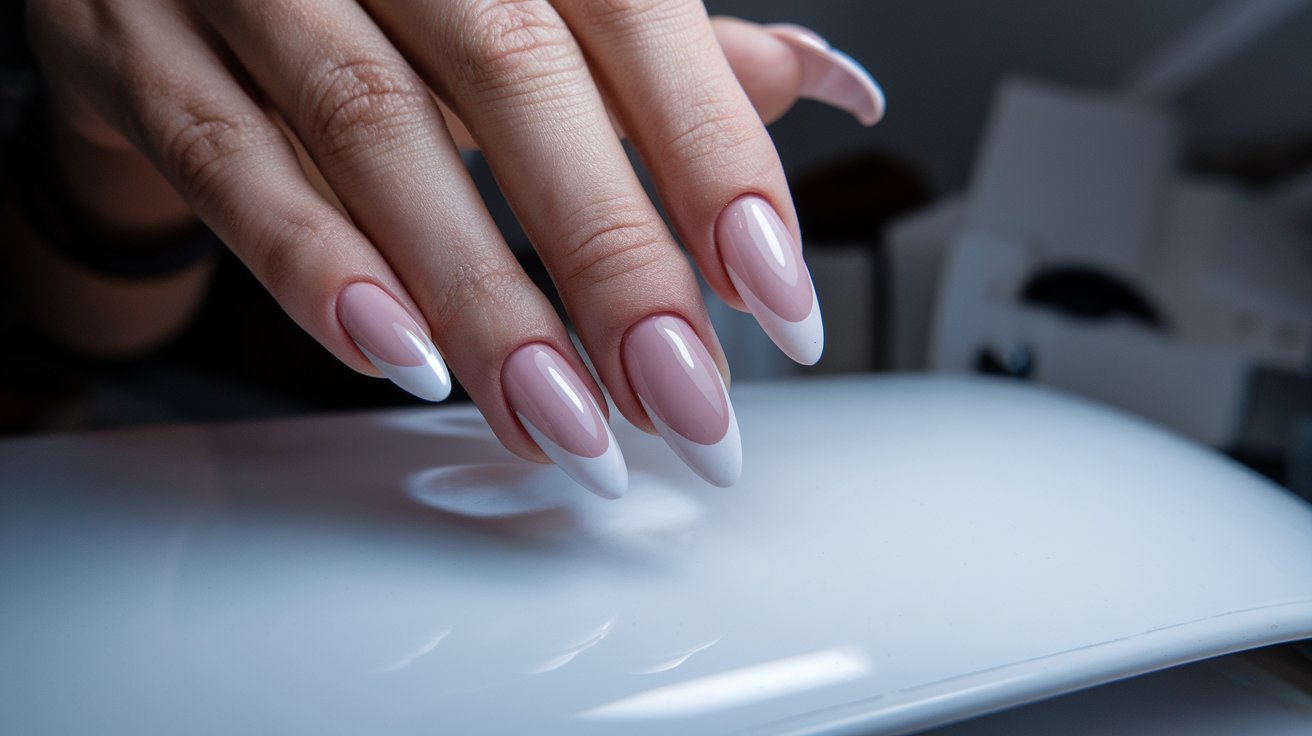
When nails curve down as they grow longer, it’s often a sign of underlying health issues, nutritional deficiencies, or improper nail care. This common nail condition, also known as koilonychia or spoon nails, affects millions of Americans and can indicate anything from iron deficiency to thyroid disorders. Understanding the root causes helps you address curved nails effectively and maintain healthier nail growth patterns.
Understanding Why Nails Curve Down When They Get Long
Normal healthy nails should grow straight with a slight natural curve that follows your fingertip shape. When nails begin curving down excessively, especially at the tips or along the sides, it indicates structural weakness or underlying health factors affecting nail formation. The nail matrix, located beneath your cuticle, produces new nail cells that should maintain proper strength and flexibility as they extend beyond the fingertip.
Several factors contribute to fingernails curling down at tips including protein deficiencies, mineral imbalances, hormonal changes, and mechanical stress from daily activities. In 2024 studies, researchers found that approximately 23% of adults in the United States experience some form of nail curvature abnormality, with iron deficiency being the leading cause among women aged 18-45.
Common Types of Nail Curvature Patterns
Understanding different curvature patterns helps identify the underlying cause of your curved nails. Each pattern corresponds to specific health conditions or environmental factors affecting nail growth and structure.
Lateral Curvature – Sides Curving Inward
When you notice nails curve down on the sides, this lateral curvature typically results from pincer nail syndrome or mechanical trauma. This condition causes the nail plate to curve inward from both sides, creating a tube-like appearance. Tight-fitting shoes, repetitive pressure, or genetic predisposition can trigger this pattern, affecting approximately 2.5% of the U.S. population according to 2024 dermatological surveys.
Longitudinal Curvature – Tips Curling Down
Longitudinal curvature manifests as fingernails curling down at tips and often indicates nutritional deficiencies or underlying systemic conditions. This pattern becomes more pronounced as nails grow longer, creating a hook-like appearance that can interfere with daily tasks. Iron deficiency anemia remains the primary cause, affecting over 5.6 million American women in 2024.
Nutritional Deficiencies That Cause Curved Nails
Proper nutrition plays a crucial role in maintaining straight, healthy nail growth. When your body lacks essential nutrients, nail structure becomes compromised, leading to various curvature patterns and brittleness.
Iron Deficiency and Spoon Nails
Iron deficiency stands as the most common nutritional cause of downward nail curvature in the United States. When iron levels drop below optimal ranges, nail cells cannot maintain proper structure, causing them to become thin, brittle, and eventually curve inward or downward. The CDC reports that 9.5% of American women experience iron deficiency, with nail changes often being the first visible symptom before fatigue or other complications develop.
Protein and B-Vitamin Deficiencies
Insufficient protein intake directly affects nail keratin production, leading to weak nail plates that bend when long. B-vitamins, particularly B12 and biotin, support cellular metabolism in the nail matrix. Deficiencies in these nutrients cause structural abnormalities, making nails more susceptible to curving under their own weight as they extend beyond the fingertip. Plant-based dieters and individuals with absorption disorders face higher risks of these deficiencies.
Health Conditions Associated with Curved Nails
Several medical conditions can cause curved nails as a secondary symptom. Recognizing these associations helps determine when curved nails warrant medical evaluation rather than simple lifestyle modifications.
Thyroid Disorders and Nail Changes
Curling nails thyroid connection affects approximately 20 million Americans with thyroid conditions. Both hypothyroidism and hyperthyroidism alter nail growth rates and structure. Hypothyroidism typically causes slow-growing, brittle nails that curve downward, while hyperthyroidism can lead to rapid growth with structural weakness. Thyroid hormone imbalances disrupt cellular processes in the nail matrix, resulting in visible changes within 3-6 months of hormone level fluctuations.
Respiratory and Cardiovascular Conditions
Chronic lung diseases and heart conditions reduce oxygen delivery to nail beds, causing structural changes that manifest as curved nails vs clubbed nails. While clubbing involves fingertip enlargement, simple curvature may indicate early-stage respiratory issues or circulation problems. Conditions like COPD, congestive heart failure, and pulmonary fibrosis can trigger these nail changes months before other symptoms become apparent.
How to Fix Curved Fingernails
Addressing curved fingernails requires identifying and treating underlying causes while implementing proper nail care techniques. Success depends on consistency and patience, as nail changes take 3-6 months to become visible due to slow growth rates.
Nutritional Interventions
Correcting nutritional deficiencies forms the foundation of treating curved nails. Iron supplementation, when prescribed by healthcare providers, can reverse koilonychia within 6-12 months. Incorporating iron-rich foods like lean meats, spinach, and fortified cereals supports natural nail strengthening. Biotin supplements (2.5mg daily) have shown effectiveness in clinical trials, improving nail thickness and reducing curvature in 63% of participants over six months.
Professional Treatments and Nail Care
Professional manicurists can reshape severely curved nails using specialized filing techniques and strengthening treatments. Medical-grade nail hardeners containing formaldehyde or calcium help reinforce weak nail plates. For persistent cases, dermatologists may recommend prescription topical treatments or investigate underlying medical conditions requiring specific interventions beyond cosmetic nail care.
Curved Nails vs Clubbed Nails: Key Differences
Understanding the distinction between curved nails vs clubbed nails helps determine appropriate treatment approaches and urgency of medical evaluation. While both conditions affect nail appearance, they indicate different underlying health issues and require distinct management strategies.
Curved nails typically involve nail plate deformation without significant changes to surrounding tissues or fingertip structure. Clubbing, conversely, includes fingertip enlargement, increased nail-to-skin angle, and often indicates more serious underlying conditions requiring immediate medical attention. Proper identification ensures appropriate care and prevents unnecessary anxiety about nail appearance changes.
Prevention Strategies for Healthy Nail Growth
Preventing nails from curving down involves maintaining optimal nutrition, proper nail care habits, and addressing health conditions promptly. Regular monitoring of nail changes helps detect problems early when treatments are most effective.
Maintaining adequate hydration, using nail strengtheners sparingly, and avoiding harsh chemicals protect nail structure. Regular medical check-ups can identify nutritional deficiencies or health conditions before they manifest as nail problems. Wearing gloves during cleaning activities and avoiding nail biting or picking prevents mechanical damage that can trigger curvature development.
Related video about why do my nails curve down when they get long
This video complements the article information with a practical visual demonstration.
Your questions answered
Why do nails bend when long?
Nails bend when they grow long due to structural weakness caused by nutritional deficiencies, particularly iron deficiency, or underlying health conditions. As nails extend beyond the fingertip, weak nail plates cannot maintain their shape and begin curving under their own weight or external pressure.
What deficiencies cause curved nails?
Iron deficiency is the primary nutritional cause of curved nails, followed by protein deficiency and B-vitamin deficiencies (particularly B12 and biotin). These nutrients are essential for proper keratin production and nail matrix function, and their absence leads to weak, curved nail plates.
How to fix a curved fingernail?
Fixing curved fingernails involves addressing underlying nutritional deficiencies through proper diet and supplements, implementing consistent nail care routines with strengthening treatments, and consulting healthcare providers for underlying medical conditions. Complete correction typically takes 6-12 months due to slow nail growth rates.
Are healthy nails supposed to bend?
Healthy nails should have slight natural flexibility but should not bend excessively or curve downward. Normal nails maintain their shape and strength as they grow, with only minor bending under significant pressure. Excessive bending indicates structural weakness requiring attention.
Can thyroid problems cause curved nails?
Yes, thyroid disorders commonly cause nail changes including curvature. Hypothyroidism typically produces slow-growing, brittle nails that curve downward, while hyperthyroidism can cause rapid growth with structural weakness. These changes often appear 3-6 months after thyroid hormone level fluctuations.
When should I see a doctor about curved nails?
Consult a doctor if curved nails develop suddenly, are accompanied by other symptoms like fatigue or breathing difficulties, or don’t improve with proper nutrition and nail care after 3-4 months. Professional evaluation can identify underlying health conditions requiring specific treatment.
| Cause Type | Primary Factors | Treatment Approach |
|---|---|---|
| Nutritional | Iron, protein, B-vitamin deficiencies | Dietary changes and supplements |
| Medical | Thyroid disorders, respiratory conditions | Treat underlying condition |
| Mechanical | Trauma, pressure, improper care | Proper nail care and protection |
| Genetic | Inherited nail structure | Maintenance and strengthening |

