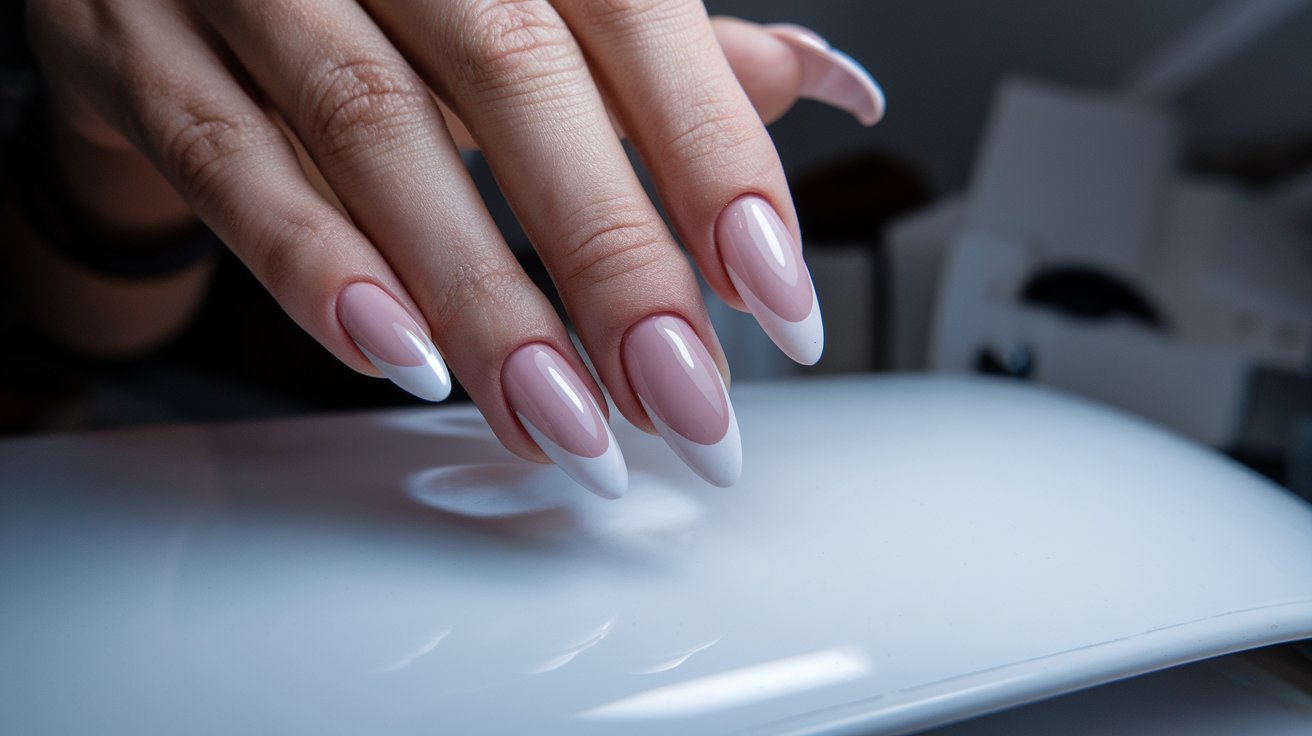
Experiencing nail pain after getting them done is more common than you think, affecting nearly 40% of people who get professional manicures. Whether you’ve gotten acrylics, gel polish, or dip powder nails, that throbbing sensation can be both uncomfortable and concerning. The good news is that most nail hurt after manicures is temporary and easily treatable with the right approach.
Common Reasons Why Your Nails Hurt After Getting Them Done
Understanding why do my nails hurt after getting acrylics or other nail treatments is crucial for proper care. The most frequent cause is excessive filing or buffing during the preparation process, which can thin your natural nail bed significantly. According to the American Academy of Dermatology, over-filing removes essential nail layers, leaving your nails vulnerable and sensitive.
Another major factor is improper curing of gel polish or inadequate bonding of acrylic materials. When UV lights are too intense or exposure time is incorrect, it can cause nail pain and throbbing sensations. Additionally, allergic reactions to nail products containing formaldehyde, toluene, or acrylates affect approximately 15% of nail salon clients in the United States.
Over-Filing and Aggressive Cuticle Work
Excessive filing is the leading cause of sore nails after acrylics and other nail services. When technicians file too aggressively, they remove too much of your natural nail plate, exposing sensitive underlying layers. This process can reduce your nail thickness by up to 50%, making them extremely tender to touch. Professional nail technicians should never file more than necessary, and clients should speak up if they feel discomfort during the filing process.
Chemical Sensitivity and Allergic Reactions
Many people experience nail hurt when pressing on them due to chemical sensitivity from nail products. Acrylates in gel polish, formaldehyde in nail hardeners, and methyl methacrylate in some acrylic systems can trigger inflammatory responses. The American Contact Dermatitis Society reports that nail product allergies have increased by 25% since 2020, making this a growing concern for nail salon clients across the United States.
Specific Pain Causes by Nail Type
Different nail treatments cause pain through various mechanisms. Why do my nails hurt after getting them done gel often relates to improper UV curing or excessive heat generation during the process. Gel manicures require precise timing under LED or UV lamps, and overexposure can cause burning sensations that persist for hours or even days after treatment.
Dip powder nail pain typically stems from aggressive cuticle pushing or over-buffing between dip layers. The dipping process itself can cause discomfort if the powder is too coarse or if too many layers are applied without proper smoothing. Understanding these specific causes helps you communicate better with your nail technician and prevent future pain episodes.
Why Do My Nails Hurt After Getting Them Done Dip
Dip powder manicures can cause nail pain and sensitivity when the natural nail is over-buffed to create adhesion. The dipping process requires multiple coats, and between each layer, technicians often buff the surface. Excessive buffing removes too much natural nail, leaving the nail bed exposed and painful. Additionally, if the dip powder formula contains harsh chemicals or if the removal process is too aggressive, it can lead to prolonged discomfort and nail damage.
Acrylic Nail Pain and Pressure Issues
Many clients wonder how long will my nails hurt after getting acrylics because acrylic application involves significant nail preparation. The pain often results from excessive nail plate roughening, improper acrylic thickness, or tight application that puts pressure on the nail bed. Acrylic nails that are applied too thick or with incorrect proportions can create constant pressure, leading to throbbing pain that may last 24-48 hours after application.
How to Stop Your Nails From Hurting After Getting Them Done
The most effective way to stop nail pain after manicures is immediate cooling and gentle care. Apply ice wrapped in a thin towel to your fingertips for 10-15 minutes to reduce inflammation and numb the pain. Avoid using your hands for heavy tasks for at least 24 hours, as pressure on sensitive nails can worsen the discomfort and potentially cause damage.
Over-the-counter pain relievers like ibuprofen or acetaminophen can help manage throbbing nail pain effectively. Ibuprofen is particularly beneficial because it reduces inflammation while providing pain relief. Take the recommended dosage as directed on the package, and combine it with topical cooling treatments for maximum effectiveness.
Immediate Relief Techniques
For instant relief from painful nails after getting them done, try soaking your fingertips in cool water with a tablespoon of Epsom salt for 10-15 minutes. This reduces swelling and provides soothing relief to irritated nail beds. You can repeat this process every few hours during the first day after your manicure. Avoid hot water, which can increase inflammation and worsen the pain.
When to Remove Artificial Nails
If your fake nails hurt when you press on them severely or the pain persists beyond 48 hours, consider professional removal. Signs that warrant immediate removal include intense throbbing, visible swelling, discharge, or development of infection symptoms. Never attempt to forcibly pull off artificial nails, as this can cause permanent nail bed damage and lead to bacterial infections.
Prevention Tips for Future Nail Appointments
Preventing nail pain after getting them done starts with choosing qualified nail technicians and communicating your concerns clearly. Research salons thoroughly, checking reviews and ensuring they follow proper sanitation protocols. A reputable salon will use sterilized tools, fresh files for each client, and high-quality products that minimize the risk of allergic reactions and over-processing.
Before your appointment, inform your technician about any previous nail sensitivity or allergic reactions. Request gentler filing techniques and ask them to check with you frequently during the process. If you have thin or weak natural nails, consider shorter artificial nails or less aggressive preparation methods to reduce stress on your nail beds.
Choosing the Right Nail Salon
Selecting a quality nail salon is crucial for preventing sore nails after professional manicures. Look for salons that display their licenses prominently, use hospital-grade sterilization equipment, and maintain clean workstations. The technicians should be licensed and willing to answer questions about their processes. Avoid salons that rush appointments or pressure you into additional services, as these practices often lead to shortcuts that cause nail damage.
Proper Nail Preparation at Home
Preparing your nails properly before salon visits can reduce nail hurt during and after treatment. Keep your natural nails moisturized with cuticle oil daily, as hydrated nails and cuticles are less prone to damage during professional services. Avoid cutting your cuticles at home, as this can create open wounds that become painful during chemical exposure at the salon.
Signs Your Nail Pain Requires Medical Attention
While most nail pain after getting them done resolves within 24-48 hours, certain symptoms require immediate medical evaluation. Seek professional medical care if you experience severe, worsening pain, visible pus or discharge, red streaking from the nail area, or fever following your nail appointment. These symptoms may indicate bacterial infection or severe allergic reaction requiring prompt treatment.
Additionally, if your nails continue hurting after a week or if you notice changes in nail color, texture, or growth patterns, consult a dermatologist or healthcare provider. Persistent pain can sometimes indicate nail bed damage or chronic inflammatory conditions that need professional medical management rather than home remedies.
Long-term Nail Health After Professional Treatments
Maintaining healthy nails after experiencing pain from professional nail treatments requires ongoing care and attention. Apply cuticle oil daily to keep the nail area moisturized and promote healing. Choose nail products free from harsh chemicals like formaldehyde, toluene, and DBP (dibutyl phthalate) to prevent further irritation and sensitivity.
Consider taking nail-strengthening supplements containing biotin, vitamin E, and keratin to support natural nail recovery. The National Institutes of Health recommends 2.5mg of biotin daily for optimal nail health. Allow your natural nails to breathe between artificial nail applications by taking breaks of at least one week every 2-3 months to prevent permanent damage and maintain long-term nail health.
Related video about why do my nails hurt after getting them done
This video complements the article information with a practical visual demonstration.
Key Questions and Answers
How long should my nails hurt after getting them done?
Nail pain after professional manicures typically lasts 12-48 hours. Mild discomfort for the first day is normal, but severe or persistent pain beyond 48 hours may indicate over-filing, infection, or allergic reaction requiring professional attention.
Is it normal for acrylic nails to throb?
Light throbbing for the first few hours after acrylic application can be normal due to nail bed pressure. However, intense or prolonged throbbing lasting more than 24 hours suggests the acrylics may be too tight or thick, requiring adjustment or removal.
Why do my gel nails hurt when I press on them?
Gel nail pain when pressed usually results from over-curing under UV lights, excessive filing before application, or chemical sensitivity. The heat generated during improper curing can damage nail beds, causing sensitivity that lasts several days after treatment.
Can I take pain medication for nail pain after getting them done?
Yes, over-the-counter pain relievers like ibuprofen or acetaminophen are safe and effective for nail pain relief. Ibuprofen is particularly helpful because it reduces both pain and inflammation. Follow package directions and combine with cooling treatments for best results.
When should I remove artificial nails due to pain?
Remove artificial nails immediately if you experience severe persistent pain, swelling, discharge, red streaking, or signs of infection. Also remove them if pain interferes with daily activities or worsens after 48 hours rather than improving.
How can I prevent nail pain during future manicures?
Choose reputable salons with licensed technicians, communicate any previous sensitivities, request gentler filing techniques, and ask technicians to check with you frequently during treatment. Consider shorter nails and less aggressive preparation if you have sensitive nail beds.
| Pain Cause | Solution | Prevention |
|---|---|---|
| Over-filing | Ice therapy, pain relievers | Request gentle filing techniques |
| Chemical sensitivity | Cool water soaks, antihistamines | Inform technician of allergies |
| Excessive pressure | Nail removal, medical evaluation | Choose proper nail length and thickness |
| Poor technique | Professional removal, nail rest | Research salon reviews and credentials |